The choice is not between two equivalent coating labels: hyper durable PVDF describes a performance-oriented fluoropolymer system, while antique finish describes an appearance that can be produced through several processes. You will be able to match the finish to exposure, appearance, repair and procurement requirements, then specify the tests and records needed from a Mumbai job-work provider.
Key takeaways
- Treat hyper-durable as a performance claim, not a coating chemistry.
- Choose PVDF for predictable weathering; choose antique finish for a decorative metal effect.
- Specify resin, film build, pretreatment, colour and test requirements in writing.
- Compare Mumbai quotations by process controls, inspection records, packaging and rework terms.
What do “hyper durable PVDF” and “antique finish” actually specify?
They are not equivalent coating categories: PVDF names a fluoropolymer binder, while “hyper durable” is a commercial performance label that can describe liquid 70% PVDF, FEVE fluoropolymer or super-durable polyester. An antique finish is a visual effect, not one chemistry.
For a dependable facade profile finishing comparison, require the quotation to name:
- Binder chemistry, primer and topcoat arrangement, target dry-film thickness, pretreatment and claimed standard.
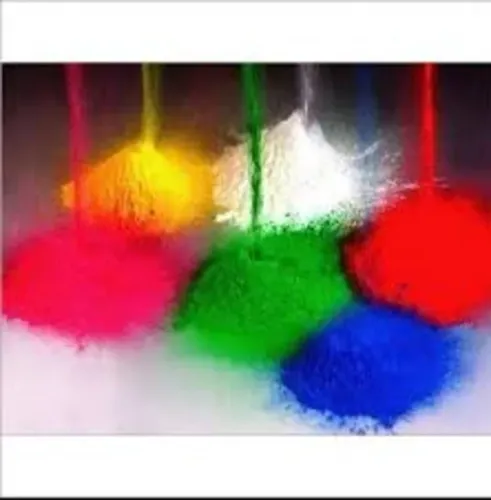
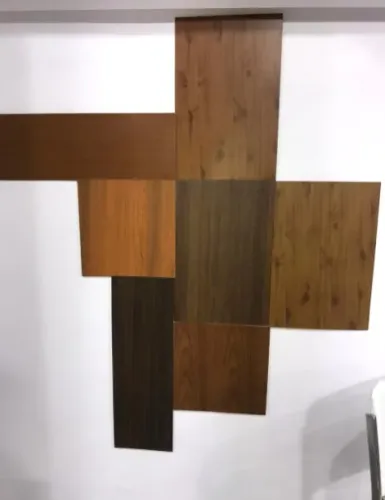
- The antique process: anodizing, textured or metallic powder, a two-coat system, or a contrasting wipe/highlight layer beneath a clear coat.
An antique finish facade metal coating can therefore look similar while behaving differently. Anodized antique aluminium has an electrolytically formed oxide layer integrated with the aluminium; an organic antique coating places a film over pretreated metal.
That changes edge appearance, scratch repair and weathering: anodized edges retain the oxide character and deep scratches usually require replacement, while organic films can show edge build or thin coverage and permit approved recoating.
Approve a production panel made with the actual alloy, pretreatment, applicator and cure schedule. A small decorative chip cannot represent a long facade profile because metallic direction, texture and colour shift with film thickness, temperature and viewing angle. Final approval should record the panel, lighting conditions and acceptable variation.
Which finish wins on weathering, appearance and repair?
Colour and chalk retention usually favour a properly qualified high-performance organic PVDF system, but appearance favours neither finish universally. This facade profile finishing comparison depends on whether exposed-elevation stability or metallic highlights, patina and multi-tone depth matter more than a solid colour can reproduce.
| Option | Weathering and protection | Appearance and repair |
|---|---|---|
| PVDF | Strong colour and chalk stability when the full system is qualified; corrosion protection still depends on pretreatment and edge protection. | Controlled gloss and uniform colour; brush touch-up is comparatively easier, but shade differences remain possible. |
| Antique finish | Protection varies with anodizing, powder, liquid layers and clear coat; damaged edges can expose the substrate. | Metallic sparkle, texture or patina; local respray often changes direction or sparkle, requiring replacement rules. |
| Cost and control | Higher coating and approval cost can buy stable performance; batch limits are usually manageable. | Tighter batch control, longer approval and potentially higher replacement cost. |
AAMA 2605 is the high-performance architectural coating specification commonly requested for premium aluminium facade profiles. “PVDF” alone does not prove compliance. Require ASTM D2244 colour-difference readings, ASTM D523 gloss and ASTM D3359 adhesion results, then approve metallic sparkle and texture visually under agreed lighting.
Pretreatment controls corrosion creep from scratches and cut edges, so neither finish wins with poor preparation. Maintenance is simpler for a uniform PVDF surface; antique finishes demand gentler cleaning and stricter batch matching.
For PVDF coating facade profiles in Mumbai, choose PVDF for exposed elevations and colour stability; choose antique finish when the architectural effect leads and tighter batch control is acceptable.
How should a PVDF system for facade profiles be specified and inspected?
Specify the coating system as a sequence and acceptance package, not as “PVDF” on a purchase order. For pvdf coating facade profiles in mumbai, require the supplier to follow these steps:
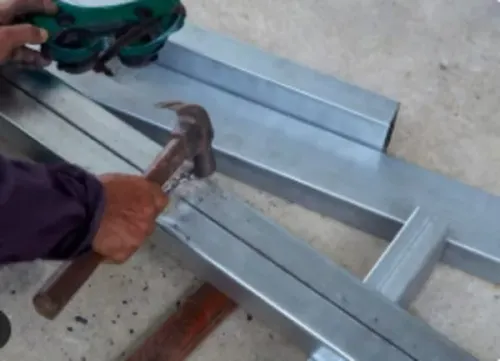
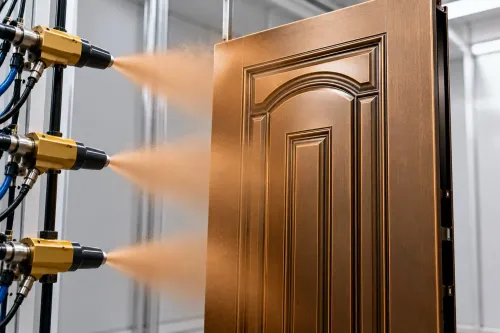
1. Hang profiles with consistent orientation and spacing so spray reaches exposed faces, returns, recesses and edges. Mask connection areas, threaded zones and other surfaces that must remain uncoated.
2. Clean and degrease aluminium thoroughly, then apply a controlled conversion coating or a coating-manufacturer-approved alternative pretreatment. Poor pretreatment causes adhesion loss, filiform corrosion and creep from scratches.
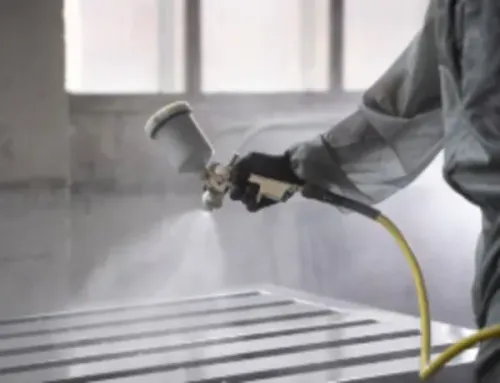
3. Apply the specified primer, colour coat and, where stated, clear coat. A two-coat system can suit standard exposure; a three-coat primer-colour-clear arrangement deserves consideration for marine or industrial exposure. Use the coating manufacturer’s data sheet, not an assumed layer count, for flash-off, cure metal temperature and oven time.
4. State the resin type, fluoropolymer content where applicable, target dry-film thickness, gloss range and colour tolerance. Measure thickness on the actual profiles, including difficult areas, under ASTM D7091; inspect returns, recesses, edges and masked connection areas.
5. Submit the approved master panel, batch numbers, cure records, thickness readings, and adhesion, colour and gloss results. Reference AAMA 2605, ASTM D3359, ASTM D2244 and ASTM D523. ASTM B117 and ISO 9227 salt-spray hours provide comparative process data, not years of Mumbai service.
This documentation is essential when selecting hyper durable PVDF coating job work in Mumbai; an “AAMA 2605 grade” claim without traceable records proves little.
How should Mumbai exposure change the finish decision?
Near-coast elevations need a stricter exposure and fabrication specification than inland Mumbai sites. Chloride deposition, persistent monsoon humidity, airborne dust and urban pollution increase the importance of pretreatment, drainage and protection during cutting, drilling, storage and installation. Inland sites still need these controls; they simply face less direct salt loading.
AAMA 2605 South Florida exposure data is a defined qualification, commonly based on a 10-year outdoor exposure requirement—not a guaranteed Mumbai service-life figure. Orientation, shading, washing frequency, salt deposits, pollution and profile geometry change the actual exposure.
Use this approval procedure for PVDF coating facade profiles in Mumbai or an antique finish facade metal coating:
- Classify each elevation as near-coast or inland, then record exposure, shade, drainage and cleaning access.
- Specify separate protection for cut ends, drilled holes, unsealed joints, trapped-water pockets and galvanic contact. A premium topcoat cannot protect bare metal or damaged fabrication points.
- Require consistent hanging direction and application orientation for antique finishes. Metallic and mica pigments change appearance with spray settings, film build, cure temperature and viewing angle.
- Approve a full-size or representative production panel made with the actual alloy, pretreatment, applicator and cure schedule, viewed in daylight and agreed lighting, before batch release.
- Define a cleaning method that will not damage the effect, and state whether damaged profiles require replacement rather than brush touch-up or site respraying. Local repairs often create visible shade or sparkle differences.
What should you compare in a Mumbai coating job-work quotation?
A credible quotation names the process, not just “PVDF” or “antique.” Compare the following before awarding hyper durable pvdf coating job work in mumbai:
- Binder chemistry, pretreatment, coat count, target dry-film thickness, claimed standard and batch-specific cure record.
- Approved master panel, colour tolerance, gloss tolerance, and the method and instruments used for readings.
- Minimum batch or order quantity, masking scope, packaging, turnaround time and replacement policy.
- Controlled profile hanging, consistent orientation, oven capacity, inspection instruments and traceable records for every batch.
- Handling of long profiles, cut-end protection, storage before dispatch and damage discovered after installation.
- An agreed repair decision: approved touch-up, factory recoating or replacement.
Ask for the coating-system data sheet, dry-film-thickness readings, adhesion results, colour and gloss results, batch numbers and cure records. AAMA 2605 printed on a quotation does not prove that each Mumbai batch received the same pretreatment, film build and cure. AMECO World of Coatings should be evaluated against this documented process, not its label.
| Option | Choose it when | Main control |
|---|---|---|
| PVDF | Exposure and stable colour lead | Chemistry, cure and colour records |
| Antique finish | Visual effect justifies tighter approval | Master panel, orientation and replacement rules |
For hyper durable pvdf or antique finish coating for facade profiles in mumbai, specify PVDF for exposed elevations; choose antique when its visual character outweighs tighter batch and repair controls.
Related product
 | Products as well as projects exposed to very harsh climatic and industrial conditions require extremely durable range of coatings. View product → |
Frequently asked questions
What do hyper-durable PVDF and antique finish actually specify?
PVDF identifies a fluoropolymer binder, while hyper-durable describes a performance class that can include 70% PVDF, FEVE or super-durable polyester. Antique finish describes appearance, not a single coating chemistry.
Which finish is better for facade profiles?
PVDF is the safer choice when long-term colour and gloss retention, uniformity and documented weathering performance matter most. Antique finish suits projects prioritising a distressed or aged-metal appearance, but matching and local repairs require tighter control.
How should you specify and inspect a PVDF facade coating system?
Name the resin system, colour, gloss, pretreatment, primer and topcoat, dry-film thickness, approved sample and inspection tests. Check profile identification, surface cleanliness, colour and gloss against the approved standard, film thickness, cure and visible defects.
How does Mumbai exposure affect the finish decision?
Specify for high UV, heat, humidity, monsoon wetting, airborne salt near the coast and pollution. Require sealed packaging and inspect for chalking, colour shift, blistering, filiform corrosion and edge coverage during quality checks.
What should you compare in a Mumbai coating job-work quotation?
Compare the coating chemistry and brand, pretreatment sequence, target film thickness, colour-matching method, line capacity, masking, inspection documents, packing, transport, rejection limits, rework terms and liability for profile damage.
Keywords