Electro coating and polyester powder coating put different kinds of protection on metal: one deposits a water-based resin through an electrical field, while the other melts and crosslinks a sprayed thermoset powder. By comparing their coverage, weathering, appearance, production requirements and repair options, you can select one process—or specify both—for the part in front of you.
Key takeaways
- Electro coating reaches recessed areas; powder coating builds a thicker decorative film.
- Clean, rinse, pretreat and cure each coating within its specified process window.
- Compare corrosion protection, UV exposure, appearance, repair options and production volume.
- Specify resin, film thickness and test methods instead of naming only the process.
How electro coating and polyester powder coating work
The decisive difference is where the coating forms. In electro coating, resin deposits inside a liquid bath; in polyester powder coating, dry resin melts onto the metal in an oven.
1. Electro coating, also called electrodeposition or e-coating, immerses the conductive metal part in a water-based bath containing charged resin particles. Direct current makes the part an electrode, so the particles migrate through the liquid and deposit on its surface.
As the growing film electrically insulates the metal, deposition becomes self-limiting, helping the coating reach cavities and enclosed surfaces.
2. After deposition, the part is rinsed to remove loosely attached material and heated. The resin film flows and cures into a continuous coating rather than simply drying through solvent evaporation. The result depends on bath control, electrical settings, pretreatment and the part’s ability to drain and heat evenly.
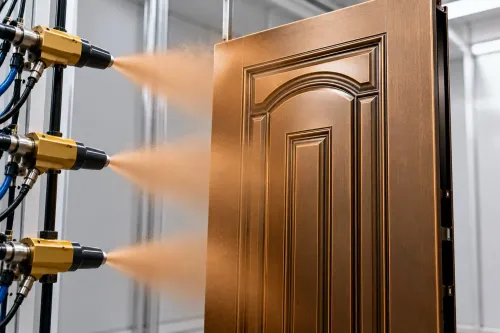
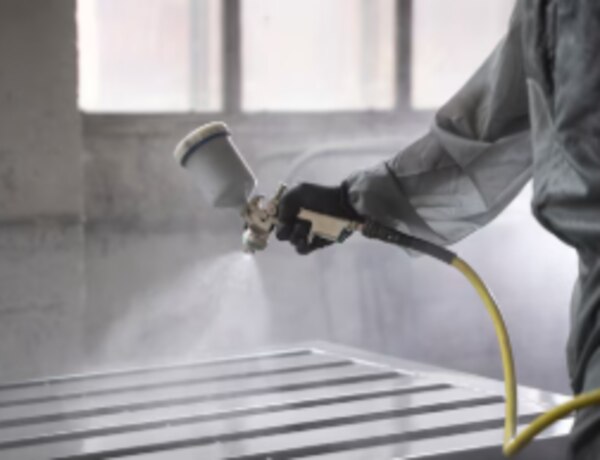
3. Polyester powder coating explained simply: an electrostatic spray gun charges thermoset polyester powder, while the grounded metal attracts and holds the particles. The powder remains loose until the part enters an oven; heat melts it, allows it to flow across the surface and crosslinks the resin into a solid film.
The cure is validated by the metal temperature and time, not oven-air temperature alone.
Electro coating and polyester powder coating can also work together: e-coat provides a corrosion-control base, while polyester powder supplies colour, UV resistance and appearance. That duplex system requires verified intercoat adhesion and compatible cure schedules.
The preparation and curing sequence determines the result
A clean-looking panel can still fail if pretreatment leaves oil, oxide or rinse salts on the aluminium. Adhesion and corrosion resistance depend on the alloy, extrusion condition, cleaning stages, controlled rinsing and a compatible conversion or non-chromate treatment; polyester resin selection cannot repair a contaminated surface.
1. For e-coat, clean and pretreat the conductive part, rinse without carryover, then immerse it in the water-based bath. Apply direct current so charged resin deposits over the metal, including recessed areas. Drain thoroughly before curing; trapped bath liquid creates runs, pinholes or contamination.
2. For polyester powder, clean and pretreat the grounded part, dry it completely, then spray charged powder at the specified gun voltage, distance and film target. Check corners, edges and recesses rather than trusting the panel face. Excess powder causes edge build-up, orange peel and poor corner appearance.
3. Cure each coating using the supplier’s validated metal-temperature and time window. For powder, oven-air temperature alone proves nothing: record part-metal temperature, because an under-cured film loses chemical and adhesion performance while an overheated film can discolour or become brittle. Measure cured thickness on the actual part.
4. If using e-coat as a primer beneath polyester powder, verify intercoat adhesion, compatibility and full drying between stages. Residual moisture or contamination can blister the powder and conceal corrosion beneath an attractive finish.
Electro coating versus powder coating is therefore a process-control decision, not just a resin choice. Confirm bath condition and deposition parameters for e-coat; confirm powder lot, application thickness and metal-temperature cure for powder.
Compare coverage, appearance, weathering and repair
Service life depends on where the film must reach, how it handles sunlight, and what happens after damage. Electro coating versus powder coating is not a choice between one universally stronger finish and one weaker finish.
| Process | Coverage and appearance | Weathering and repair |
|---|---|---|
| Electro coating | Immersion reaches enclosed faces and recesses with a thin, relatively uniform film. It produces a smooth, controlled basecoat, but sharp edges and drain points still need design attention. | Strong corrosion-control performance when pretreatment is sound. Standard e-coat is not automatically a UV-resistant finish. Factory repair is difficult; local damage usually needs cleaning, corrosion treatment and a compatible touch-up coating. |
| Exterior polyester powder | Spraying can build a thicker decorative film with gloss, matt, texture and colour options. Faraday-cage recesses and deep corners can receive less powder, while edges can show heavier build. | Polyester powder coating for metal gives the better direct choice for exposed colour and gloss retention when the formulation meets the required exterior or super-durable class. Chips are locally repairable, but a brush repair rarely matches the original texture or gloss. |
| Duplex system | E-coat supplies the corrosion-control layer and powder supplies the visible finish. | This combination extends protection in demanding exposure, but intercoat adhesion, cure compatibility and contamination control must be verified. |
Do not select powder by the word polyester alone. TGIC, HAA and super-durable systems differ in UV retention, chalking, impact resistance and chemical resistance.
Pretreatment controls the foundation of either system, especially on aluminium. A failed conversion layer can shorten service life beneath an excellent resin, while an impact through either coating exposes the metal and requires prompt repair.
Match the process to the part, environment and production volume
Recessed, conductive parts with accessible drainage usually favour electro coating, while visible aluminium panels usually favour polyester powder coating. The correct choice changes with geometry, exposure and line volume: a process that covers a bracket well can create defects on a façade panel.
| Part or production need | Better fit | Reason and warning |
|---|---|---|
| Recessed components | Electro coating | Immersion reaches internal surfaces that spray powder struggles to charge. Seal blind cavities and provide drain holes, or trapped bath liquid will cause defects. |
| Complex assemblies | Electro coating | A conductive assembly can be coated in one bath, reducing shadowing between parts. Mask nonconductive inserts and prevent air pockets in enclosed sections. |
| Visible panels | Polyester powder coating for metal | It offers controlled colour, gloss and texture across broad faces. Use a spray layout that protects edges and corners from uneven film build. |
| Exterior aluminium | Super-durable polyester powder coating | Select an exterior-grade resin and match cleaning, rinsing and conversion pretreatment to the alloy. Poor pretreatment will defeat a good powder. |
| High-volume repeat parts | Electro coating | Automated dipping gives consistent coverage and short handling time across large batches. Choose powder when the line needs frequent colour changes or handles large flat sections more efficiently. |
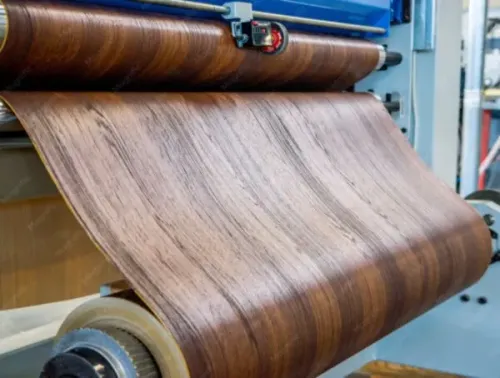
For wood-effect aluminium, ask AMECO World of Coatings whether the polyester powder is formulated for sublimation; ordinary exterior powder can produce weak dye transfer or blurred detail. Complex parts still need electrical continuity, rack access and drainage before you commit to e-coat.
Powder lines need grounded parts, controlled spray settings and cure validation at the coldest metal location.
Related products
 | Polyester Powder For Powder Coating Polyester Powder For Powder Coating Super Durable Polyester Powder For Powder Coating View product → |
 | Ameco powder coating effect on metals is a safer and better alternative to conventional acrylic and polymer wet spray painting. View product → |
Specify the resin, film and tests instead of relying on a process name
Name the coating chemistry, not merely the process. “Polyester powder coating explained” in a specification means identifying the exterior grade and curing package: standard TGIC, hydroxyl-functional polyester with HAA, or super-durable polyester. For e-coat, state the resin type, colour, gloss, bath solids and target dry-film thickness.
Use this acceptance procedure:
- Record the metal alloy, pretreatment stages, conversion coating, rinse quality and batch numbers. Poor cleaning or conversion treatment will defeat either system.
- Set a target film thickness and tolerance on the actual part, including edges, recesses and flat faces. Measure powder with ISO 2808 or ASTM D7091; excessive build can cause orange peel and corner defects.
- State the powder’s metal-temperature cure window, such as the required temperature for the specified minutes. Verify part temperature with a data logger; oven-air temperature alone does not prove cure.
- Check adhesion using ISO 2409 cross-cut or ASTM D3359, then test impact with ISO 6272-1 where handling damage matters. Use a solvent-rub or equivalent cure test suited to the resin.
- Specify appearance limits for colour, gloss, texture, pinholes, runs and exposed metal. Measure gloss to ISO 2813 and colour against an approved panel.
- Match corrosion and weathering tests to service: ISO 9227 salt spray, ISO 4623-2 filiform corrosion for aluminium, and ISO 16474-2 accelerated weathering. Record the test duration and failure limit, not just “passed.”
Frequently asked questions
What is the main difference between electro coating and polyester powder coating?
Electro coating deposits resin from a liquid bath using an electrical charge, while polyester powder coating melts dry powder onto the metal in an oven.
Which coating provides better coverage on complex metal parts?
Electro coating can cover recessed areas, cavities and edges more evenly. Powder coating suits accessible surfaces but requires attention to Faraday-cage areas.
How do preparation and curing affect the coating result?
Cleaning, rinsing, pretreatment, drying, film control and curing determine adhesion, corrosion resistance and appearance in both processes.
How should you choose between electro coating and polyester powder coating?
Match the process to the part geometry, corrosion and UV exposure, required appearance, repair plan and production volume.
What should a coating specification include?
Name the resin system, target dry-film thickness, colour and gloss, pretreatment, cure schedule and tests for adhesion, corrosion and weathering.
Keywords